Rose Font I: A Versatile Embroidery Design for Small Business Branding
First Impressions of Rose Font I
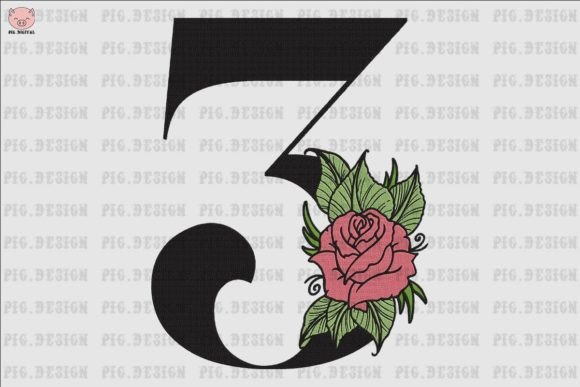
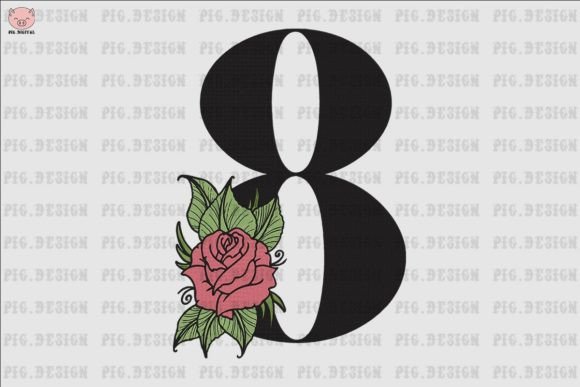
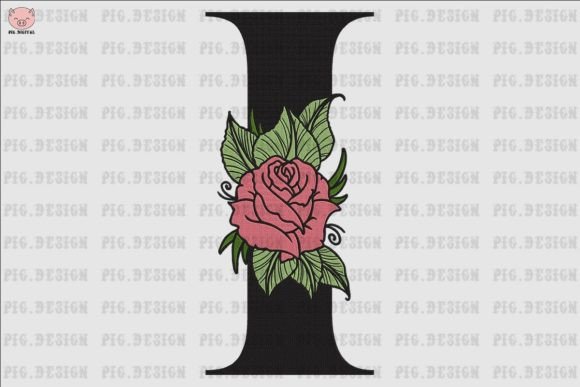
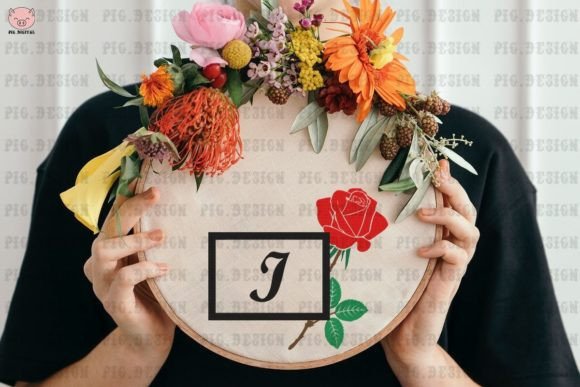
As an experienced embroidery designer, the first thing that stands out about Rose Font I is its elegant and decorative appeal. From the product title and description alone, it's clear this is a machine embroidery design crafted with attention to detail and aesthetic versatility. The name "Rose" immediately suggests a floral or romantic touch, while the word "Font" hints at a stylized text format — perfect for small business owners who want to add a personal, branded element to their merchandise. The description mentions that it looks nice on clothes, home decor, and birthday gifts. While these are all valid applications, what really caught my eye was how adaptable it could be for commercial use. Whether you're looking to elevate your custom apparel or create embroidered patches for your boutique, Rose Font I has potential. Its visual personality leans toward premium and modern, but with a soft, handmade feel that makes it suitable for a wide range of industries, from cafés to craft businesses.Where to Use Rose Font I with Caution
- Small Patch Sizes: The design might lose clarity if scaled down too much. Always test it on a small hoop size before finalizing.
- Cap Fronts: Due to the curved surface and limited space, placing this design front-and-center on a cap could be tricky unless simplified.
- Tiny Lettering: If you plan to include small text elements within the design, readability could become an issue. Be sure to review spacing and scale.
- High Stitch Density: The design may require adjustment for fabrics that don’t hold up well under dense stitching patterns.
- Textured Fabric: Textured surfaces like canvas or denim can cause the design to appear uneven. Test it on real fabric before mass production.
- Dark Uniforms: Thread color contrast becomes essential here. Dark backgrounds may require lighter thread colors to maintain visibility.
- Frequent Washing: Items like aprons or tote bags will endure repeated washing, so always use quality threads and proper stabilizer to prevent distortion.
Impact on Brand Identity and Customer Engagement
The right embroidery design does more than just look good — it builds brand identity and enhances customer engagement. Rose Font I offers a visually appealing option that can help your business stand out in a crowded market. Whether you’re creating custom apparel for your team or designing branded patches for loyal customers, this font contributes to a polished and consistent look.
Its blend of elegance and modernity allows it to fit into a variety of brand styles. A rustic bakery might pair it with a vintage rose motif for a cohesive theme, while a contemporary fashion boutique could use it to add a soft, artistic edge to minimalist designs. Either way, Rose Font I supports visual consistency across your design assets, helping to reinforce your brand message wherever it appears.
Building Trust Through Professionalism
Using a high-quality machine embroidery design like Rose Font I shows clients and customers that your business pays attention to detail. This level of care translates into professionalism and product value, encouraging buyers to perceive your offerings as premium. Especially for handmade product creators and Etsy sellers, the right embroidery can significantly influence buyer engagement and repeat sales.Designer Tips for Using Rose Font I in Production
- Test in Black and White First: Before choosing colored threads, inspect the design in grayscale to evaluate contrast and structure.
- Check Small Patch Size Performance: Resize the design and run a sample to see if it maintains legibility and visual integrity.
- Review Thread Color Contrast: Ensure the thread colors you choose pop against the fabric, especially on dark uniforms or tote bags.
- Inspect Spacing and Alignment: Make sure letters are evenly spaced and properly aligned for a professional finish.
- Confirm Hoop Size: Though specifics aren't provided, always verify the recommended hoop size for optimal results.
- Test on Real Fabric: Digital previews are helpful, but nothing beats testing the design on actual material to avoid surprises.
- Use Proper Stabilizer: Especially important for delicate or stretchy fabrics to maintain shape and reduce puckering.
- Create a Printable Mockup: Share a mockup with your client to get approval before moving into full production.
- Compare Beside Other Design Assets: See how it fits with your existing logo or branding elements to ensure harmony.
- Confirm Commercial Licensing: Always check licensing terms before using any digital embroidery file in a business context.